Sclerotherapy

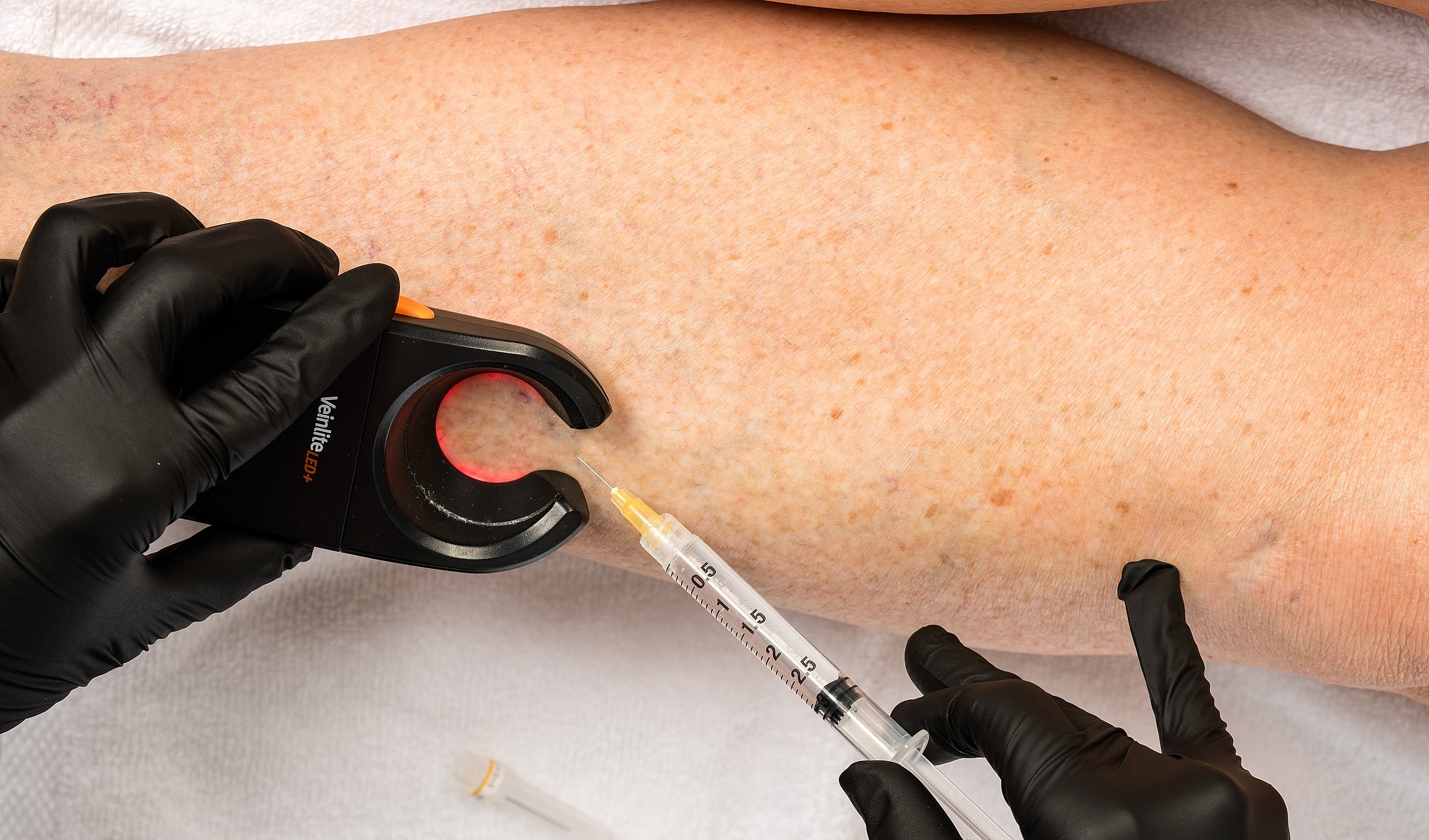



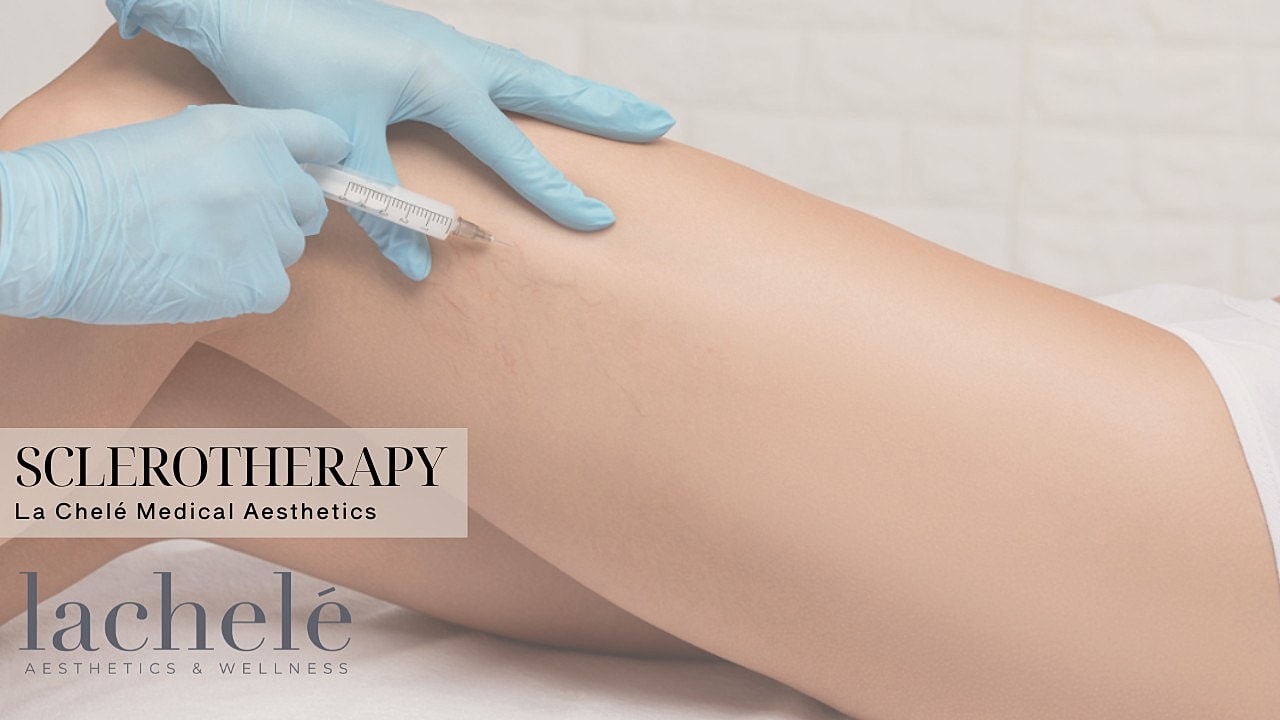
Sclerotherapy is the gold standard for treating unwanted spider and reticular veins.
This time-tested performed treatment works by injecting a specialized solution directly into the vein, causing it to collapse and gradually fade as the body naturally absorbs it. Sclerotherapy is safe, effective, and minimally invasive, delivering reliable, long-lasting results with little to no downtime. When performed with precision and proper technique, it remains the most trusted and effective method for visibly improving the appearance of leg veins.
For more severe varicosities, sclerotherapy may be performed in conjunction with other vein treatments, such as radiofrequency (RF) ablation or ambulatory phlebectomy. In most cases, sclerotherapy is used after these procedures to “clean up” residual veins, enhancing overall leg appearance and achieving a more refined cosmetic result.

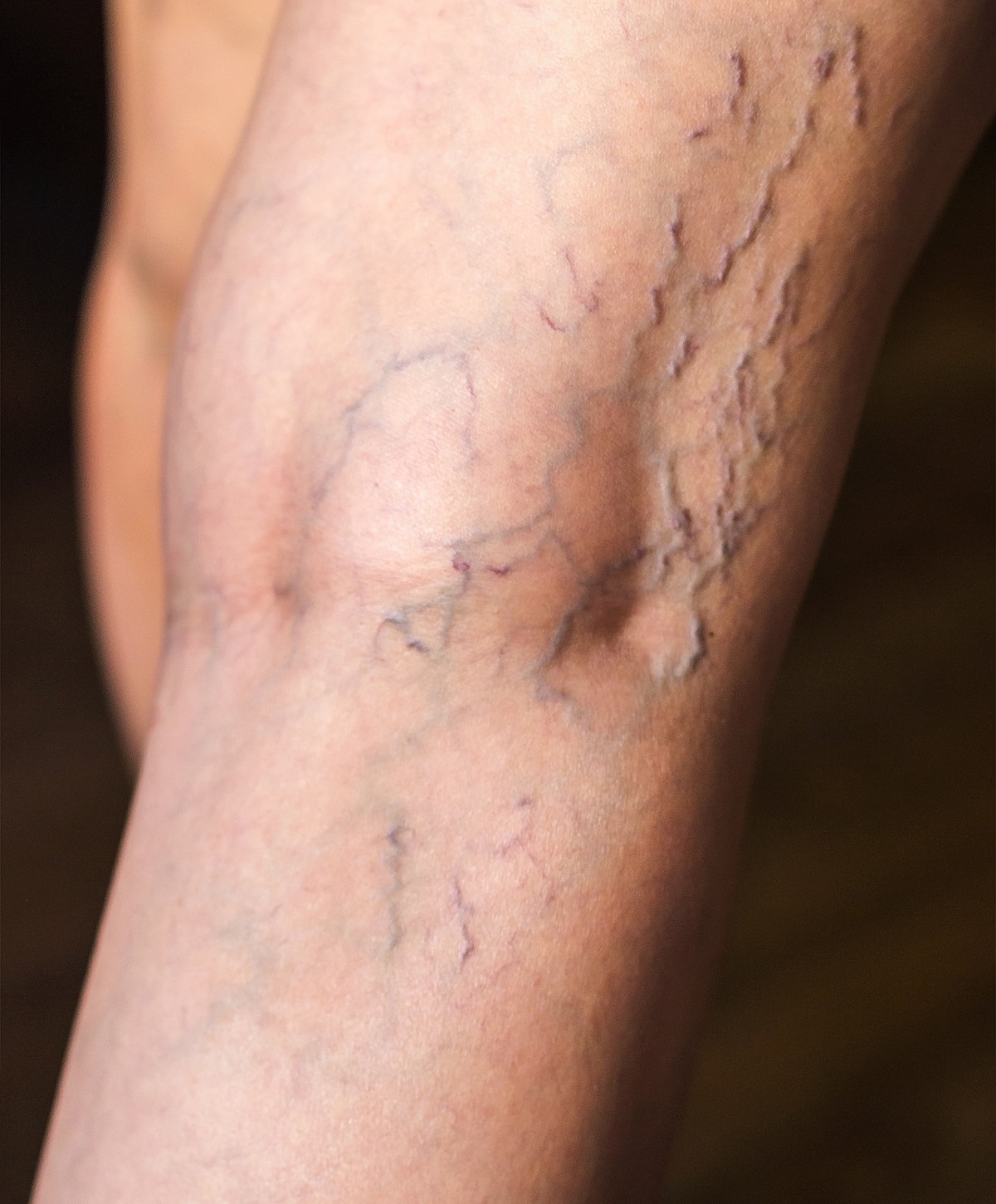
Spider veins are small tortuous vessels easily visible through the skin, which vary in color from red, purple, and blue. They can be found on your thighs or lower legs (even on your face!) and are extremely common, especially in women. Why do we get spider veins? To answer this, we have to delve into the anatomy of a vein. Veins contain small valves that function to help push blood back toward the heart, when these valves are weakened or damaged, blood pools inside the vessel. This process is called reflux, and results in the vein becoming larger and more visible.
At La Chelé Medical, we use a customized approach to vein treatment, selecting a combination of Sotradecol® and Asclera® solutions based on your individual medical history and clinical needs. For patients requiring ultrasound evaluation, we collaborate with our trusted partner practice, Advanced Heart and Vascular in Flemington, NJ, led by Dr. Andrey Espinoza, a triple board–certified interventional cardiologist and vascular specialist. Their state-of-the-art, in-house imaging center allows for precise ultrasound diagnostics to determine whether additional treatments—such as ambulatory phlebectomy or endovenous laser therapy (EVLT)—may be necessary. Referrals are made when patients experience significant symptoms, including severe pain or pain with walking, to ensure comprehensive and appropriate care.
Before & After 5 Treatments
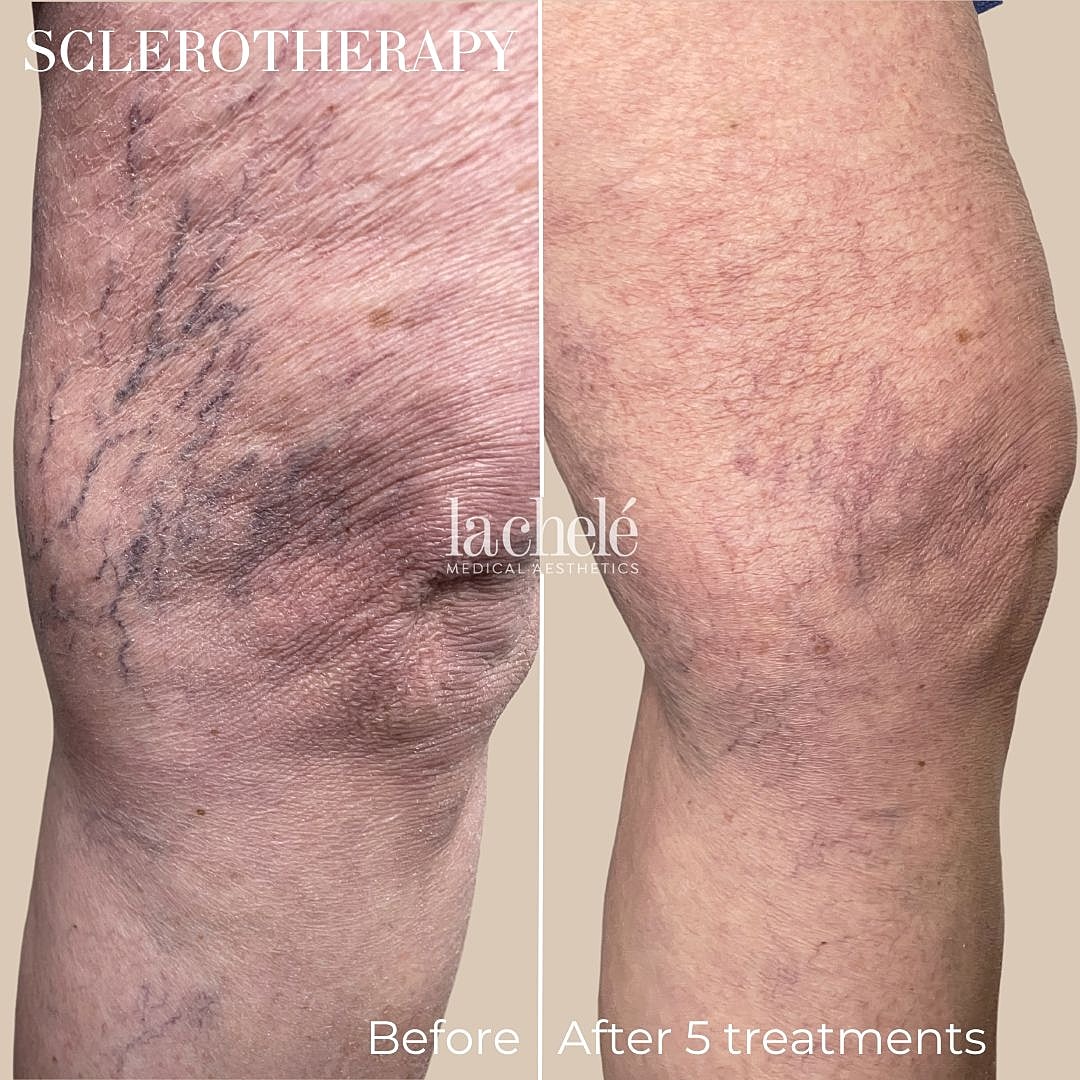
Example of a telangiectasia
Spider veins have a strong genetic etiology. However, there are many other factors, which can elicit the formation of a spider vein, these include:

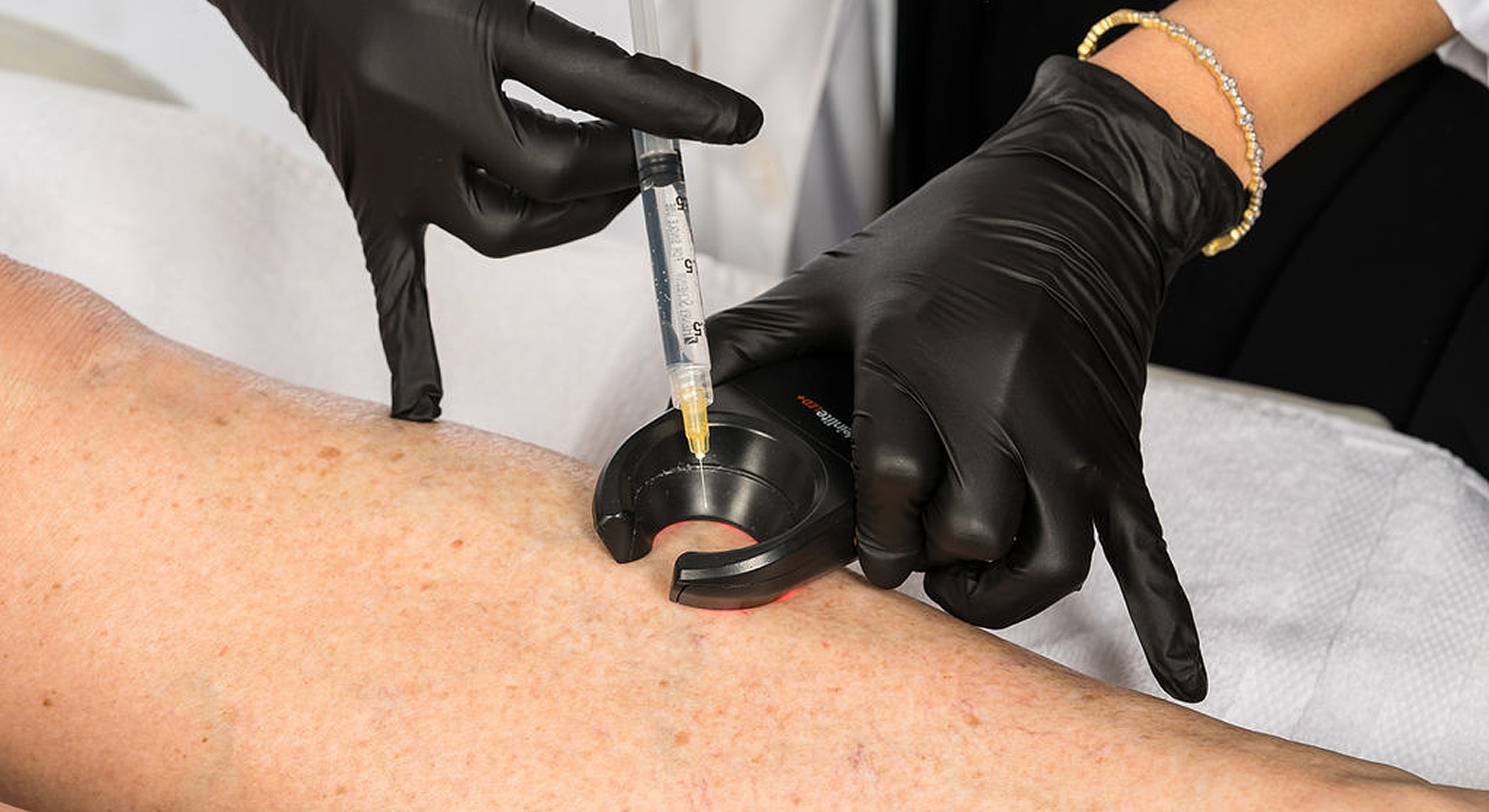
The process of sclerotherapy is quite simple and involves minimal discomfort. Your legs will be cleansed and a very small needle is then used to inject a sclerosing agent into the unwanted spider veins. It is common to experience bruising after this procedure, which can last usually for two weeks and in severe cases for several months. Darkening of the treated vessels is also an expected outcome, for this reason we recommend you give yourself enough time to heal before showing off your beautiful legs!
What am I required to do after sclerotherapy treatment?
After-care is simple! You will be instructed to wear medical grade compression stockings after your treatment for one week, this ensures that the sclerosing agent stays inside the vessel and will yield a better aesthetic result. We recommend medical grade compression stockings, 20-30mmHg; stockings can be purchased for an additional fee at any of our four centers, or you may bring your own. It is important to avoid all vasodilating activities such as aerobic exercise and warm hot tubs during the first week.
It’s important to note that multiple sessions of sclerotherapy are typically required to achieve your cosmetic goals. Keep in mind that your body has developed these vessels over many years!
For spider veins, most patients require 2–4 sclerotherapy sessions to achieve optimal results. The exact number depends on the extent of the veins, skin type, circulation, and how your body responds to treatment.
Sessions are typically spaced 4–6 weeks apart, allowing the treated veins time to collapse, fade, and be naturally absorbed by the body before additional treatment is performed.
Because spider veins can recur over time due to genetics, hormonal changes, or prolonged standing, many patients choose maintenance treatments every 1–2 years to keep their legs looking their best.
At La Chelé Medical, we individualize treatment plans to ensure results are both effective and natural-looking, while prioritizing safety and long-term outcomes.
If you experience pain or heaviness in your legs, large or bulging vessels, or swelling in the lower extremities, our team may refer you for ultrasound testing to check for deeper venous diseases before initiating treatment at our Partner Practice.
Give us a call to schedule your consultation in Newtown, New Hope, Upper Dublin, or Newtown Square PA at 855-522-4353.